
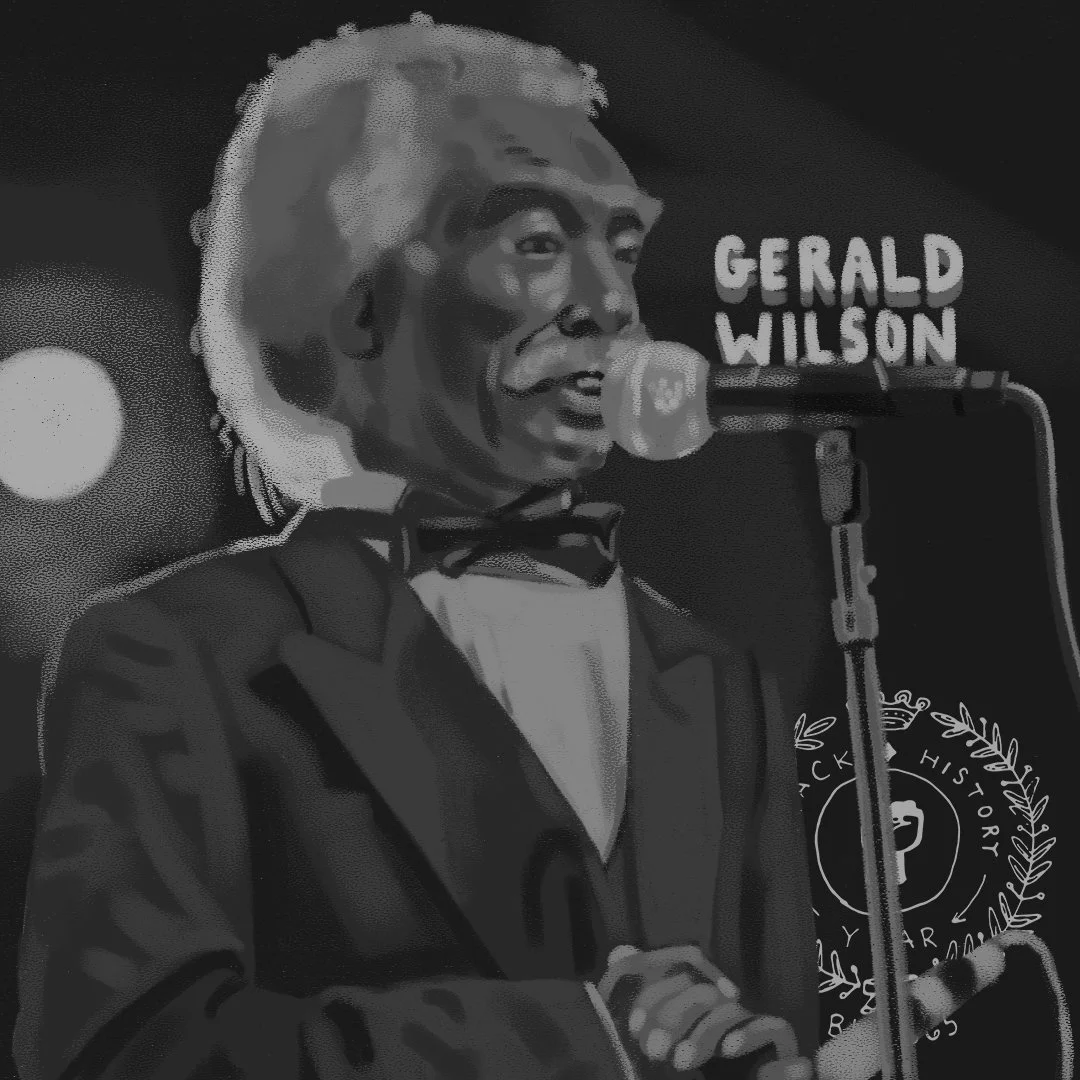
Gerald Wilson is the man. A trumpeter, composer, arranger, & bandleader — he earned quite the reputation as a leading composer. His band was one of the greats in jazz, leaning heavily on the blues but integrating other styles. His arrangements influenced many musicians that came after him, including multi-instrumentalist Eric Dolphy, who dedicated the song "G.W." to Wilson on his 1960 release Outward Bound. Wilson began his life in jazz in 1937, when he joined the musician's union and started playing professionally. Two years later, at the age of 21, he was invited to join the highly popular Jimmie Lunceford band in New York City. His impact was immediate, contributing such powerful material as Hi Spook and Yard Dog Mazurka to the Lunceford repertoire. After settling in Los Angeles, he organized the first Gerald Wilson Jazz Orchestra, featuring trombonist Melba Liston and trumpeter Snooky Young among its members. Twice touring the country, Wilson's big band made its mark in New York City, receiving rave reviews playing at the Apollo Theater between bookings of the Ellington and Lunceford bands, and in Chicago, landing a ten-week engagement at the Regal Theater and hiring a young Joe Williams as the band's vocalist there. He contributed his skill as an arranger and composer to artists ranging from Duke Ellington, Stan Kenton, and Ella Fitzgerald to the Los Angeles Philharmonic to his guitarist-son Anthony. Additionally he was a radio broadcaster at KBCA and a frequent jazz educator. Among his more noted commissions were one for the 40th anniversary of the Monterey Jazz Festival in 1998, which he revisited in 2007 with his album Monterey Moods, and one for the 30th anniversary of the Detroit International Jazz Festival in 2009. He’s quoted as saying, “Jazz, to me, has to be loose. You can’t be tight. When you get too tight in jazz, it isn’t making it. Same thing with Duke Ellington. He let his band be relaxed, be loose, take it easy. Nobody gets excited here. You’re late. Okay, so you’re late. Let’s play.” Very fresh, very player. Salute. He died in September, 2014 at 96 years old. Rest in power.
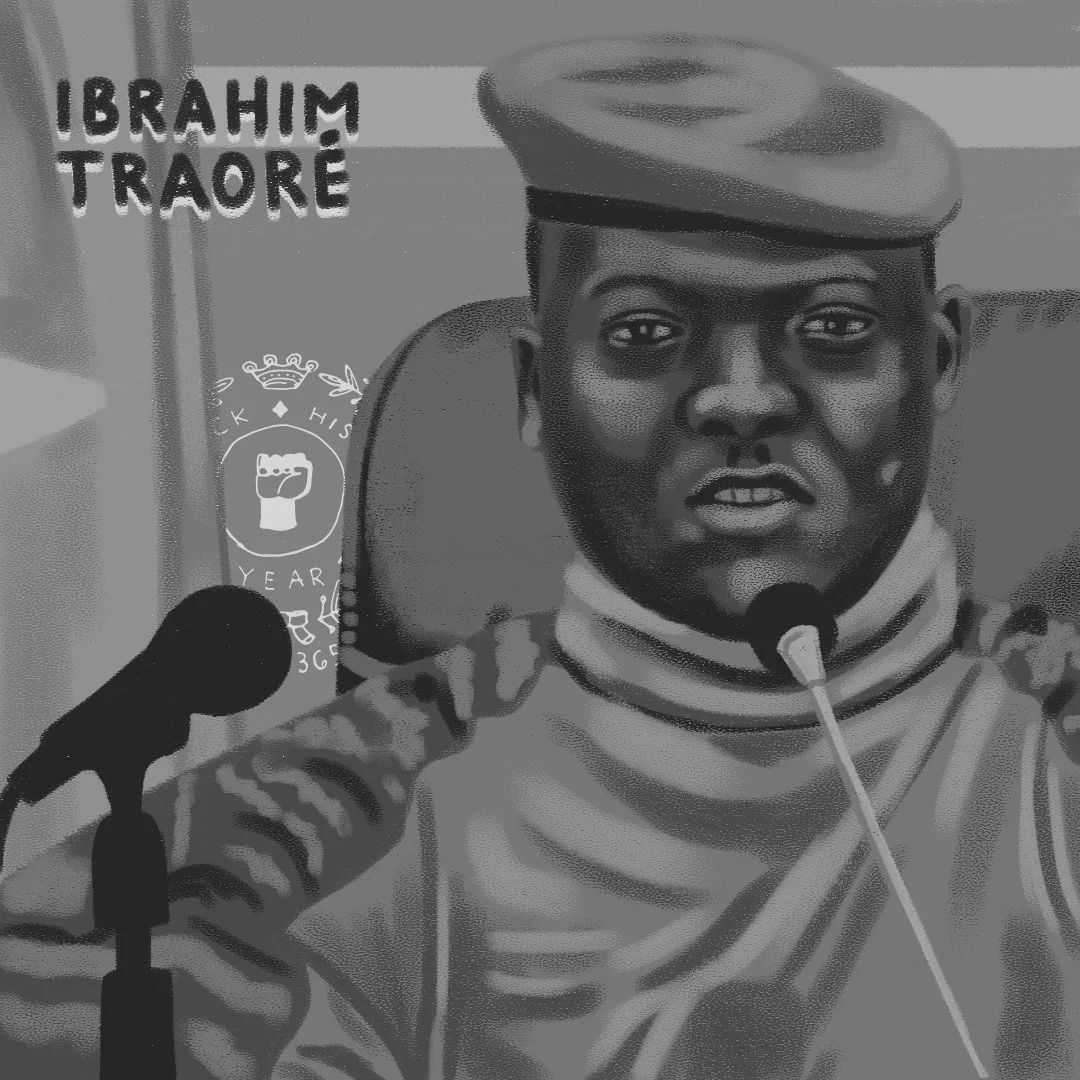
Black History 365 | # 260 Ibrahim Traoré
Shoutout to Ibrahim Traoré. Ibrahim Traoré is a Burkinabè military commander and the transitional president of Burkina Faso. Ibrahim Traoré became the transitional president of Burkina Faso after a military coup in September 2022 — that deposed then-interim president Paul-Henri Sandaogo Damiba, who had himself gained office in a coup just eight months earlier. Under Traoré's administration, Burkina Faso has pursued a revolutionary and anti-colonial agenda, expelling French soldiers and strengthening ties with Russia. Burkina Faso has nationalized its wealth by creating a state mining corporation. In the 3 years since being interim leader of the West African country, Ibrahim Traoré has been on a rapid campaign to rid his country of any traces of Western influence, he is following the footsteps of legendary leader, Thomas Sankara. Captain Ibrahim Traoré is no longer just the leader of a small, landlocked West African nation; for some, he has become a symbol of resistance, independence, and Pan-African pride. He is making modern day history, salute.

Black History 365 | # 259 Million Man March
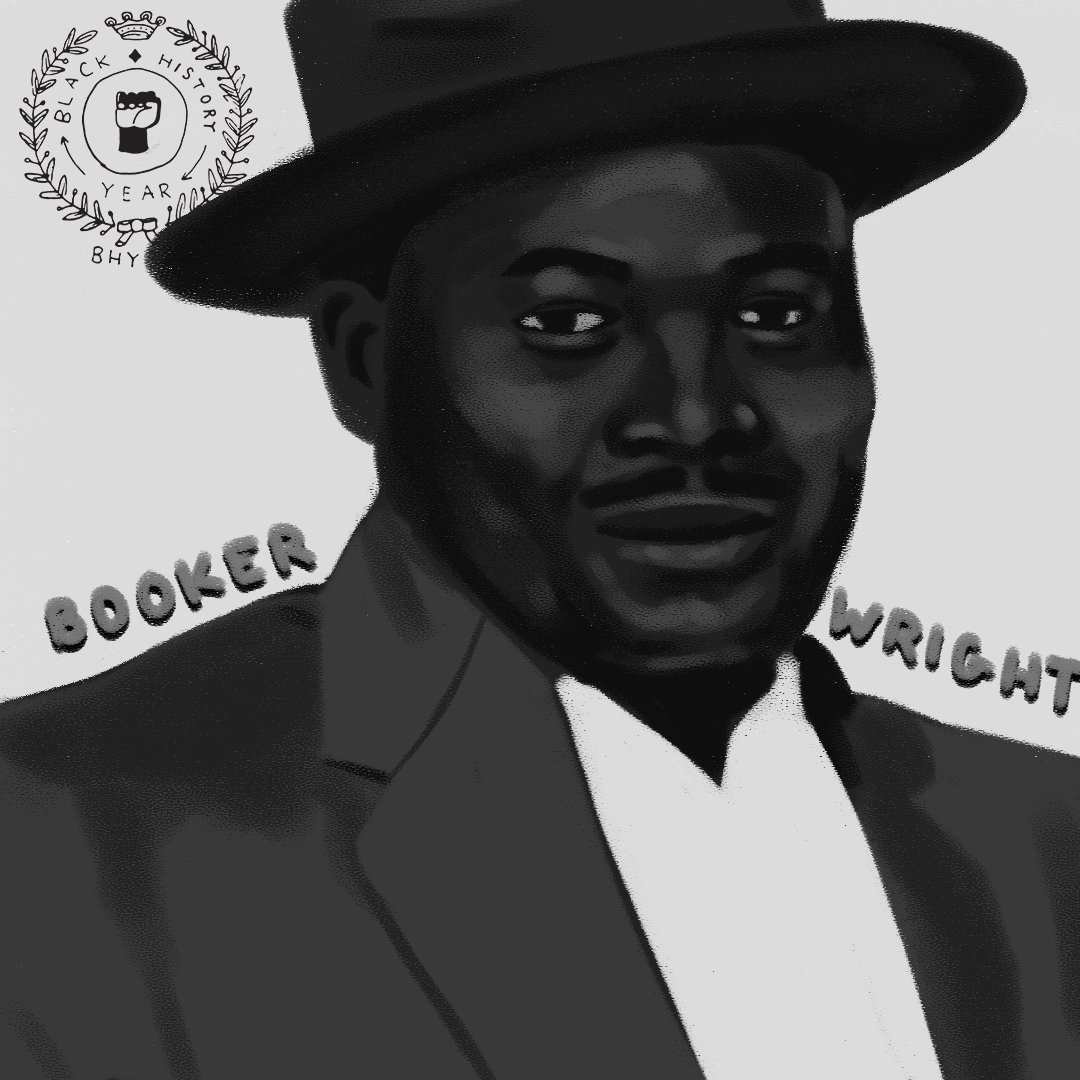
Black History 365 | # 258 Booker Wright
This is Booker Wright. In 1965, filmmaker Frank De Felitta produced an NBC News documentary about white attitudes towards race in the American South and the tensions of life in the Mississippi Delta during the Civil Rights struggle. The film outraged some Southern viewers, in part, because of a candid and unforgettable scene featuring Booker Wright, a local African-American waiter in Greenwood, MS. Wright, who worked at a local “whites only” restaurant, went on national television to deliver a stunning and heartfelt monologue about his true feelings about serving the white community, and about his aspirations for his children, who he hoped would grow up free from the prejudice he faced. The repercussions for Booker Wright’s courageous candidness were extreme at the time apparently. He spoke about despite being hurt and disrespected by white customers he would maintain a smile on his face. He was later pistol-whipped by a white police officer. And in 1973, Wright was killed in an altercation with a customer at his own restaurant, Booker's Place. Almost fifty years after Booker Wright’s television appearance, his granddaughter Yvette Johnson, and Frank De Felitta’s son, director Raymond De Felitta, journey into the Mississippi Delta in search of answers: Who exactly was Booker Wright? What was the mystery surrounding his courageous life and untimely murder? And what role did this 1965 NBC News documentary play in his fate? While Booker Wright’s name does not appear in history books, Finding Booker’s Place demonstrates that his legacy continues to inspire, many decades later. Rest in power Mr. Wright.
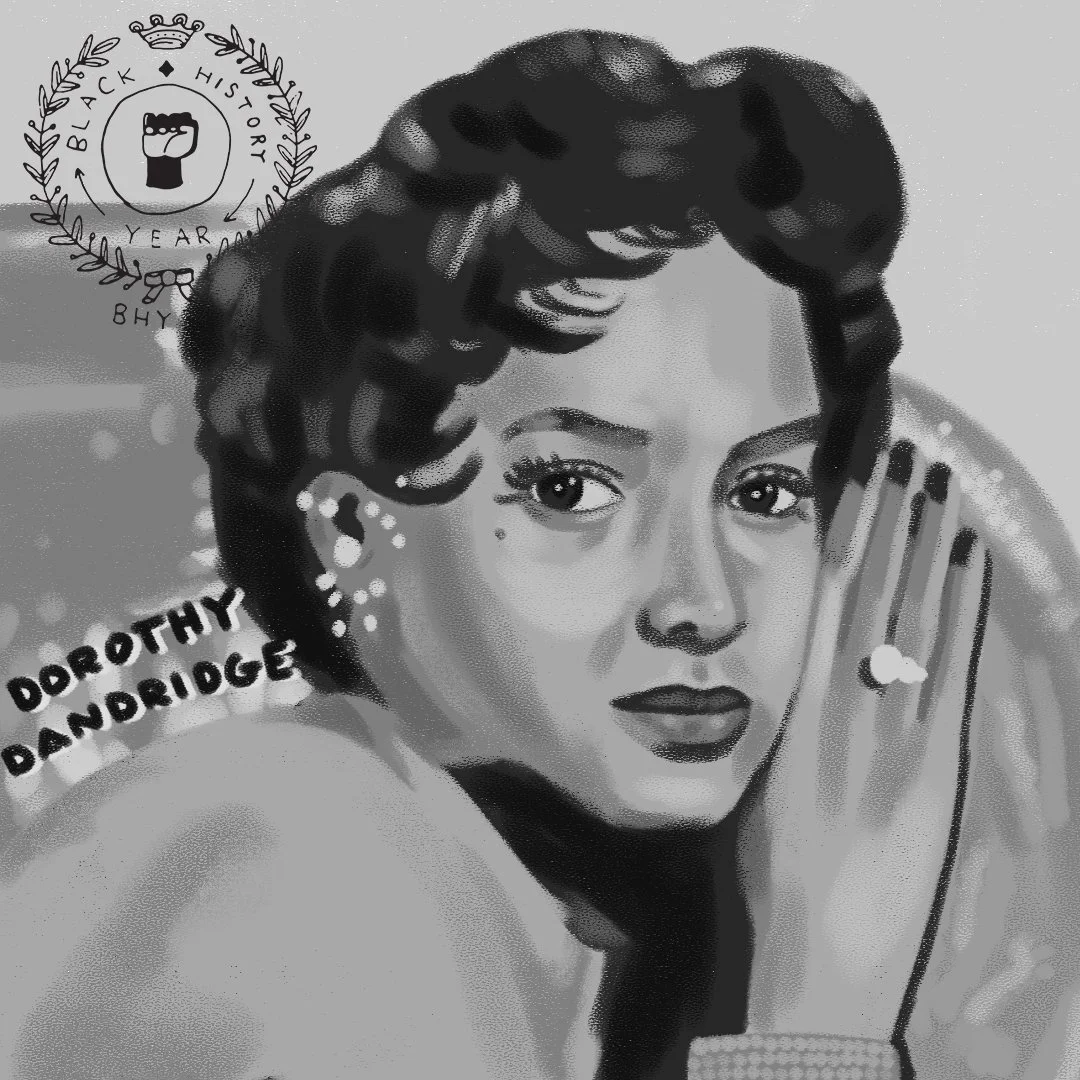
Black History 365 | # 257 Dorothy Dandridge
Shoutout to Dorothy Dandridge. She became the first Black woman to be nominated for an Academy Award for best actress. Dandridge’s mother was an entertainer and comedic actress who, after settling in Los Angeles, had some success in radio and, later, television. The young Dorothy and her sister Vivian began performing publicly as children and in the 1930s joined a third (unrelated) girl as the Dandridge Sisters, singing and dancing. In the 1940s and early ’50s Dorothy secured a few bit roles in films and developed a highly successful career as a solo nightclub singer, eventually appearing in such popular clubs as the Waldorf Astoria’s Empire Room in New York City. In 1954, Dorothy played the much coveted role of Carmen Jones, starring opposite of Harry Belafonte This movie brought her fame and recognition. This is when she received an Academy Award nomination for her role in the film. She was the first black woman in history to receive the honor of being nominated in the category of Best Actress. Dandridge eventually lost the award to Grace Kelly (The Country Girl). Still, after the phenomenal success of Carmen Jones, Dandridge seemed well on her way to becoming the first non-white actress to achieve the kind of superstardom that had accrued to contemporaries like Marilyn Monroe and Ava Gardner. In 1955, she was featured on the cover of Life magazine, and was treated like visiting royalty at that year’s Cannes Film Festival. In the 1960s Dandridge’s life and career were wracked by divorce, personal bankruptcy, and the absence of offers of work. At age 42 she was found dead in her West Hollywood apartment, either a suicide or a victim of an accidental drug overdose. Dandridge had began drinking heavily and taking antidepressants as opportunities started to wane. The threat of bankruptcy and nagging problems with the IRS forced her to resume her nightclub career, but she found only a fraction of her former success. Relegated to second-rate lounges and stage productions, Dandridge's financial situation grew worse and worse. By 1963, she could no longer afford to pay for her daughter's 24-hour medical care, and Harolyn was placed in a state institution. Dandridge soon suffered a nervous breakdown. Like most Hollywood stars, Dorothy’s star shone too brief, respect to her legacy on the silver screen.